Walk through a shop or browse online, and you will see the word “natural” on everything from food to hair oil. It is a reassuring word. But what does it tell you about what is inside the pack, where it came from, or how it was made?
The answer depends on the product. A word on the front of a label is a starting point. The details behind it matter more.
Look beyond the front of the pack
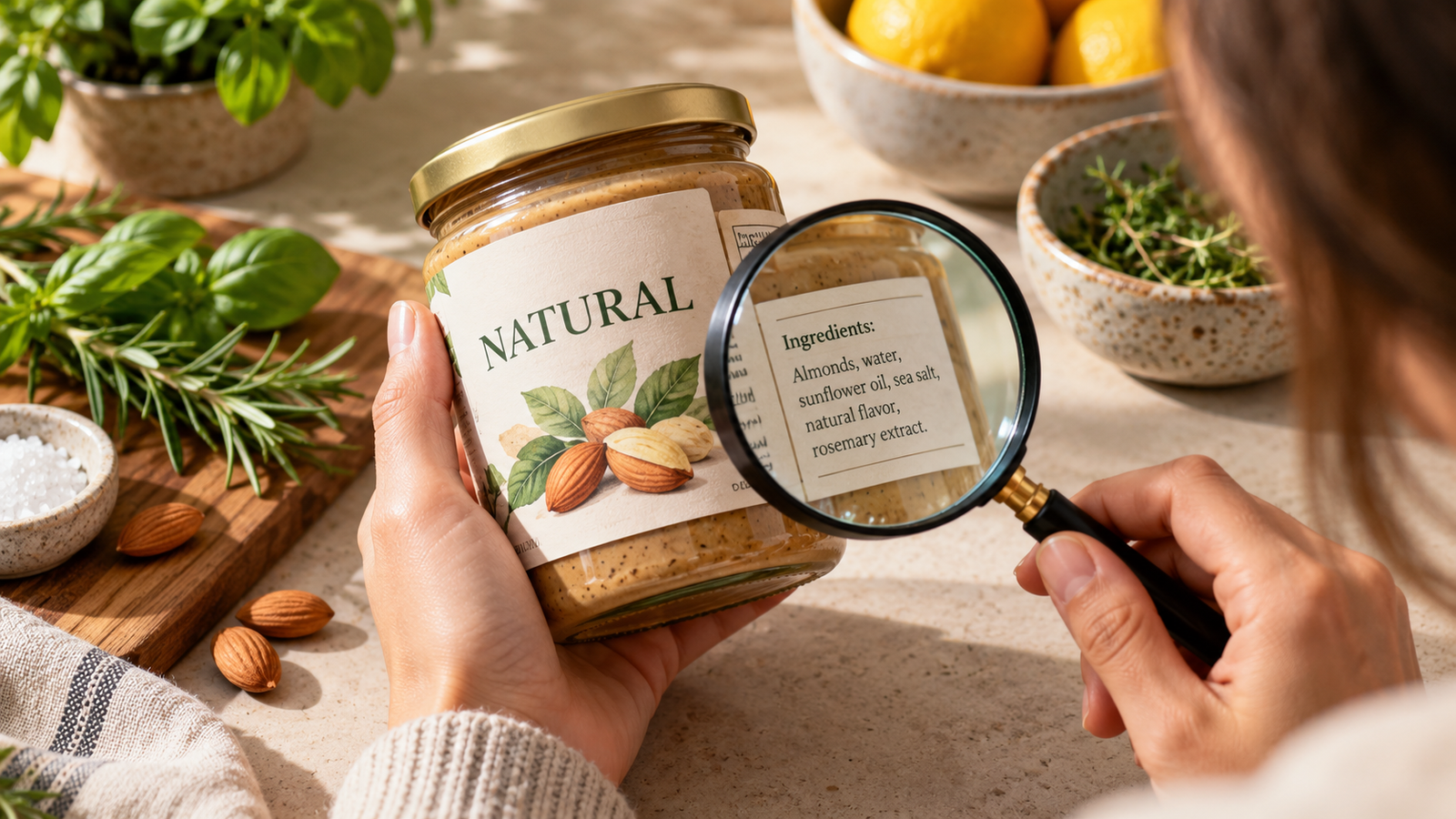
When you pick up a product, turn it around. Read the ingredients and ask yourself: Do I know what has been used to make this?
A long ingredient list does not automatically mean a product is poor quality, just as a short list does not prove it is better. What matters is whether the brand tells you clearly what you are buying. If the front makes a claim that you cannot understand from the rest of the label, it is reasonable to ask for more information.
For food products in India, claims such as “natural” are subject to conditions under FSSAI’s advertising and claims regulations. Those regulations also say food claims should be truthful, clear, and not misleading.
Ask how it was made
Ingredients tell part of the story. The method tells another part.
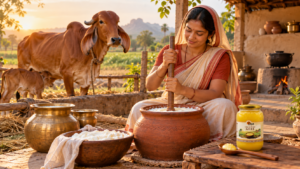
Consider ghee. Knowing that it comes from cow’s milk is useful, but you may also want to know whether it was made from churned curd or by another method. If a brand calls its ghee Bilona ghee, it should be able to explain the steps behind that name.
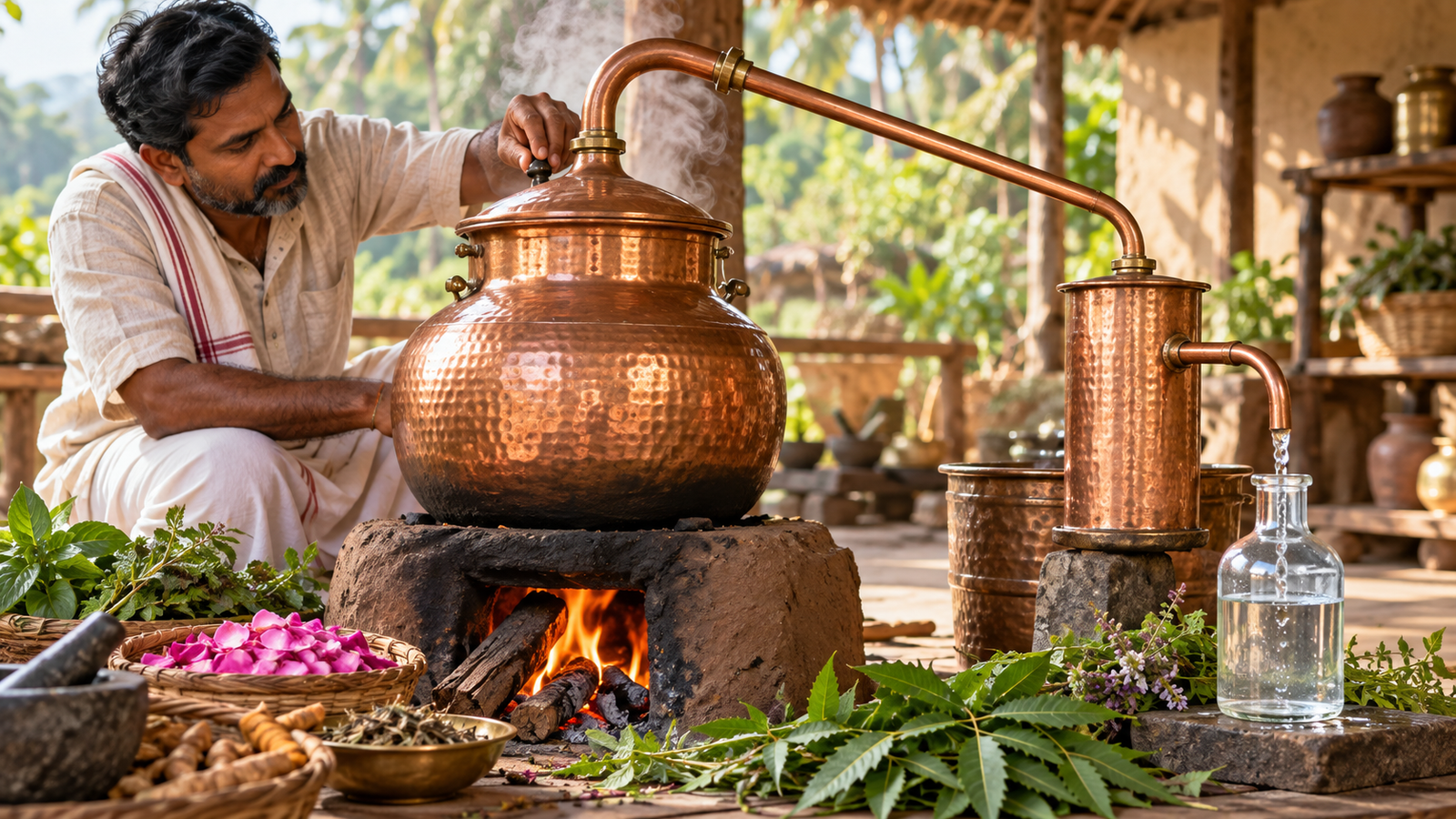
The same question applies to herbal preparations. If a bottle says ark, ask which plant was used and how the liquid was distilled. A clear explanation helps you understand the product without relying only on words such as “traditional” or “pure.”
Know what “natural” does not tell you
The word “natural” does not, by itself, tell you:
- where an ingredient was grown;
- whether the product is certified organic;
- how it was processed;
- whether it is suitable for you;
- whether it can treat a health condition.
These are separate questions. A plant-based ingredient, for example, can still cause a reaction in some people. It is sensible to follow the product’s directions and take particular care when choosing something to consume or apply to your skin.
Four questions to ask before you buy
The next time a product says “natural,” look for answers to these questions:
- What is in it? Check the ingredient list and product description.
- Where does it come from? Look for clear information about the source of the main ingredients.
- How is it made? See whether the brand explains its preparation method.
- Can the brand answer your questions? Honest, specific answers are more useful than a long list of impressive sounding claims.
What natural means to TAT
At TAT Organic Farm, we want customers to understand the journey behind our products. Our website describes Gir cow milk as the starting point for our Vedic Bilona Ghee and traditional distillation as the method behind our herbal arks. These are details we believe are worth sharing, because a product’s story should go deeper than one word on its label.
“Natural” should invite curiosity. Read the label, learn about the process, and choose the product whose ingredients and preparation you understand and trust.

 Sep 24, 2026